You should have an idea as to why grain-free dog food is not always the healthiest option for your dog. Become familiar with the ingredients, dangers, and the way Pets Station can assist you in choosing the correct food.
Dog food that is free of grains is in great demand. Many of the individuals who keep pets believe that it is healthier or more digestible. This is, however, not always true. Even though there are dogs that have an allergy or sensitivity to grains, in most dogs, grains provide the nutrients and energy required.
The information about the truth of grain-free food will help you make better choices concerning the state of your dog. We are going to find out why it is not necessarily the best choice and where Pets Station will assist you in making the necessary decision when selecting the food.
Definitions of Grain Free Dog Food
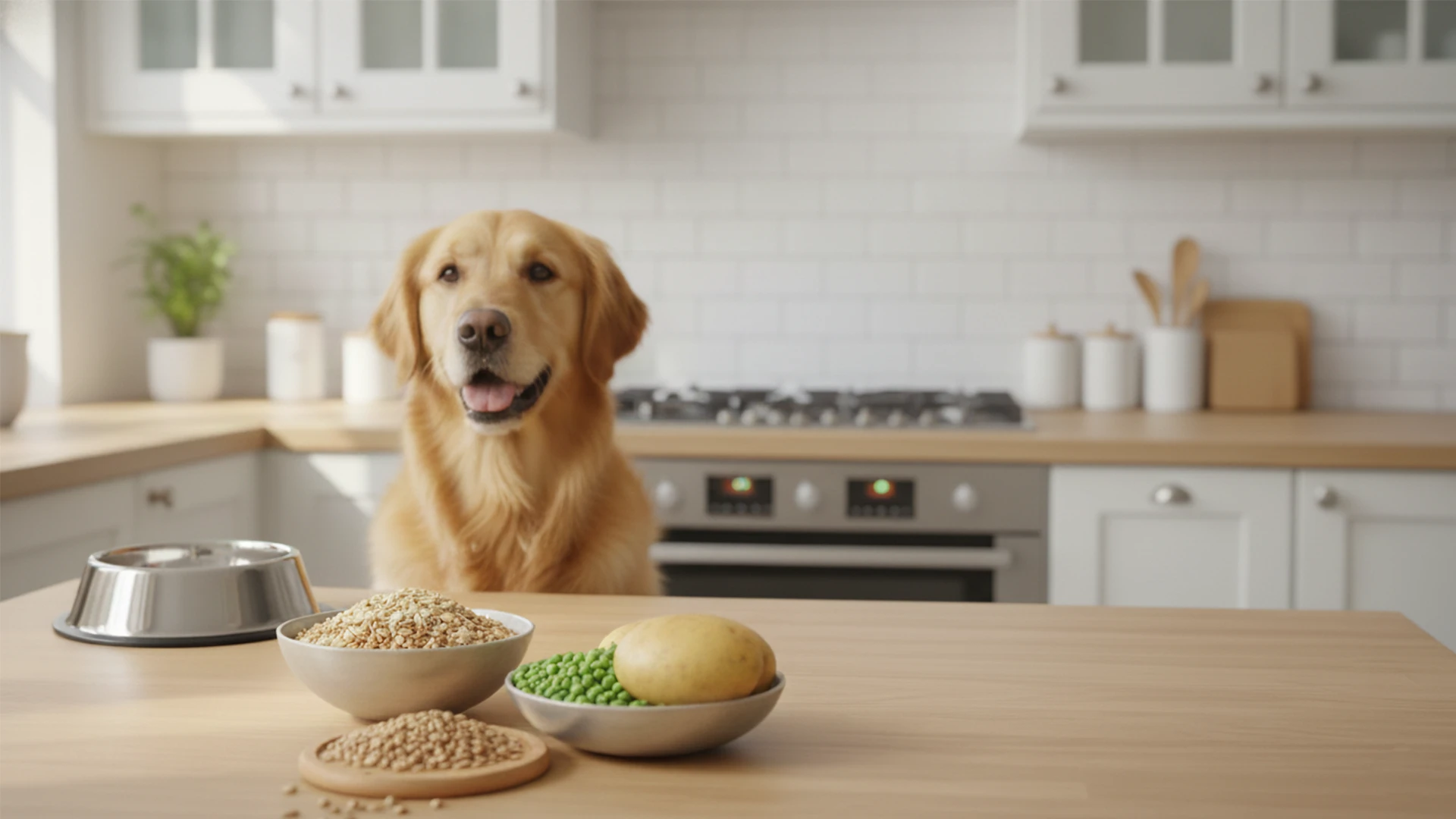
Grain food dog food contains no wheat, corn, rice, or other common grains. Instead, it is more likely to make use of potatoes, peas, lentils, or chickpeas as carbohydrate sources.
The manufacturers market the grain-free diets as either superior or natural, yet they are not necessarily healthier. Grains are safe, nutritious, and economical as a source of energy for most dogs.
Breads are a significant source of nutrients
The grains contain protein, fiber, and other vitamins like B-complex. They facilitate digestion, vitality, and health. Grains are not allergic to hogs except in medical cases.
Replacing the grains with potatoes or legumes may seem healthy, but when taken in large amounts, the surplus of the replacement may cause a nutrient imbalance. Dogs do not just need grain-free but complete and full nutrition as well.
The Risk of Heart Problems
Recent studies would suggest grain-free diets high in legumes or potatoes to be linked with canine dilated cardiomyopathy (DCM). DCM is a serious heart disease that affects the labor of heart and well-being.
The threat is the grain-free diet, which is not well-balanced in terms of nutrients. It does not mean that all grain-free foods are unhealthy, but it reminds people of the reason it is necessary to consult a vet before making such a decision.
Misleading Marketing
Marketers also promote grain-free products as healthier or superior, falsely suggesting that grains are unhealthy. The majority of dogs actually work well on grain-based diets.
You shouldn’t judge a book by its cover. Note the list of ingredients, sources of protein, and the full nutrition rather than the marketing.
When grain-free food comes in handy
- Grain-free diets are healthy, so long as your dog has:
- Documented grain allergies
- Certain grains caused sensitive stomachs.
- Veterinary nutritional guidelines.
A grain-free food is a way out under these circumstances, and it benefits the body. Weight and worth of old customs, grain included, might be far superior to all other dogs.
How to Choose the Right Food
When choosing dog food:
- Compare the list of ingredients of real meat and whole foods.
- Ensure that the food is well-balanced and complete as needed according to AAFCO.
- Avoid filler-rich or foods of unidentified protein content.
- Ask your veterinarian, just in case you do not understand dietary restrictions
- This is a healthy method of feeding your pet dog, whether it is grain-free or not.
- The Justification as to why Pets Station Is Going to Be the Best.
Pets Station offers different dog food that is of high quality (grain-free and conventional), low and high fat content, and the nature of the food (dry or wet). Their experts inform the pet owners what to purchase regarding the age, health, and diet.
Pets Station focuses on brand trust, transparency, and complete nutrition. The choice of dog food in the Pets Station is safe, and something that would ensure that you get peace of mind.
Conclusion
Not all dogs can tolerate grain-free dog food. Some of these nutrients might be required by the body, and an inappropriate balance of a grain-free diet can be harmful. The only thing you need to understand is to be aware of the special requirements of your dog and read labels accurately.
By making your choice on where you will get your dog food, whether it is grain-free or not, you are confident of providing your animal with safe, nutritious, and balanced food.
FAQs
Q1: Are grains bad for dogs?
No. Most dogs can digest grains very well, and they also contain good nutrients like fiber and vitamins.
Q2: Do grain-free foods cause heart problems?
Some legume or potato-rich grain-free diets have been linked to DCM, a heart complication. You should consult a vet to change it.
Q3: How often should the time grain-free food be used?
In case of a known allergy to grains, a grain sensitivity, or a dietary need suggested by a veterinarian for your dog.
Q4: What will I do to know whether dog food is balanced or not?
Complete and balanced search on the label, AAFCO standards.
Q5: Why should one choose Pets Station as dog food?
Pets Station possesses superior brands and skillful advice, and safe and balanced diet alternatives that are supplied to all dogs.