Food is one of the most critical decisions we make when it comes to our pets and their care. What you feed a pet should impact its health and energy day to day. It also has long-term effects on their overall lifespan.
Cheap pet food. While it’s so tempting to want to give your pet the absolute best of everything, a lot of people opt for cheap pet food. It is cheap, ubiquitous, and affordable. At face value, none of these options does any harm. They must be secure if they are being sold in stores or online, after all. Correct?
I apologize, but life is more complicated than that. Cheap pet food is rife with hidden dangers. They might not look like dangers right away. They can have an impact on your pet’s health, energy levels, and lifespan.
At Pets Station, we know how important knowledge is. Knowing what is in your pet’s bowl is the first step toward better health. Let’s delve into the dangers of cheap pet food and why quality nutrition counts.
Low-Quality Ingredients and Fillers
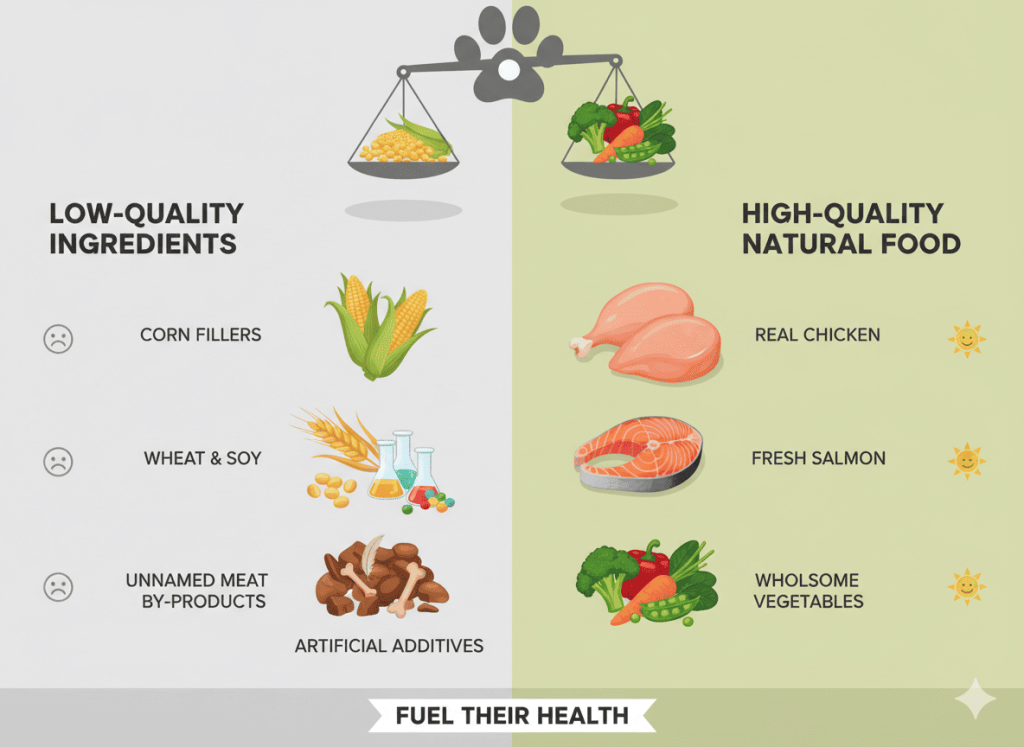
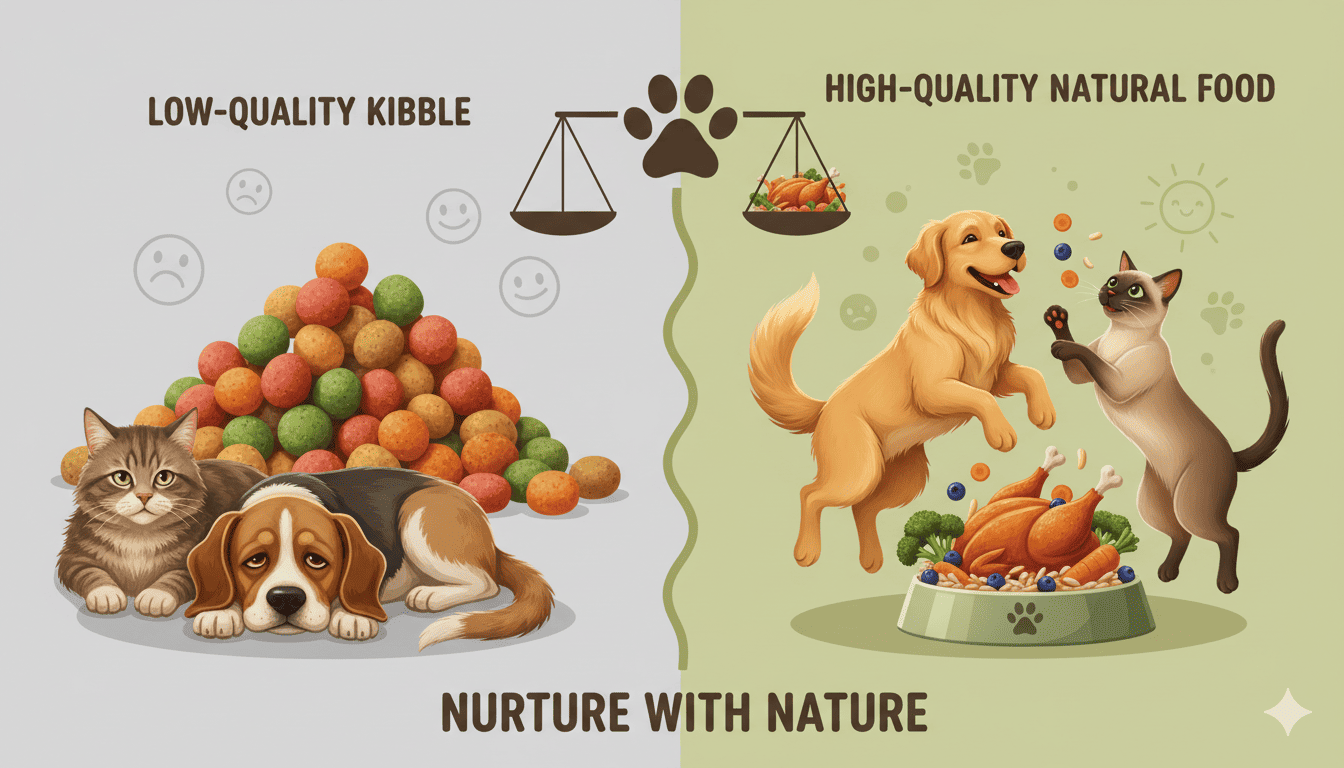
Ingredient quality is one big problem with cheap pet food. Manufacturers, in an effort to lower costs, use fillers extensively. Corn, wheat, and soy are common fillers, along with by-products.
They’re just fillers in the food. But nutritionally, they give very little. If you keep a dog or a cat, it needs to eat protein-based food to be healthy and properly nourished.
Animal byproducts are sometimes too vaguely named to be recognized on labels. They can contain parts that are less nutritious or difficult to digest. Diets like these can gradually lead to digestive problems. They may also be contributors to nutrient deficiency and poor immunity.
Artificial Additives and Preservatives
Synthetic colors and flavors are often found in cheaper pet foods. They are also preserved to prolong shelf life. Some common ones are BHA, BHT, ethoxyquin, and synthetic dyes.
These ingredients are not immediately harmful. But long-term exposure may be dangerous. They could raise the risk of allergies and change behavior. At least in some cases, they can be implicated in chronic disease.
Animals do not require brightly colored kibble. Artificial flavors are unnecessary. And these are not things that are added for pet nutrition; this is done purely for human interest.
Poor Protein Sources
Protein is crucial for your pet’s health. It promotes muscle growth, organ function, and overall vitality. The protein in cheap pet food frequently comes from low-quality sources. These proteins are less bioavailable. This means your pet’s body isn’t able to absorb them the way they need to.
Instead of such named meats as chicken or salmon, you might see “meat meal” or “animal protein.” The source is often unclear. The lack of transparency makes you wonder what exactly your pet is eating. It also sounds alarms about nutrition quality.
Obesity and Obesity-Related Disorders
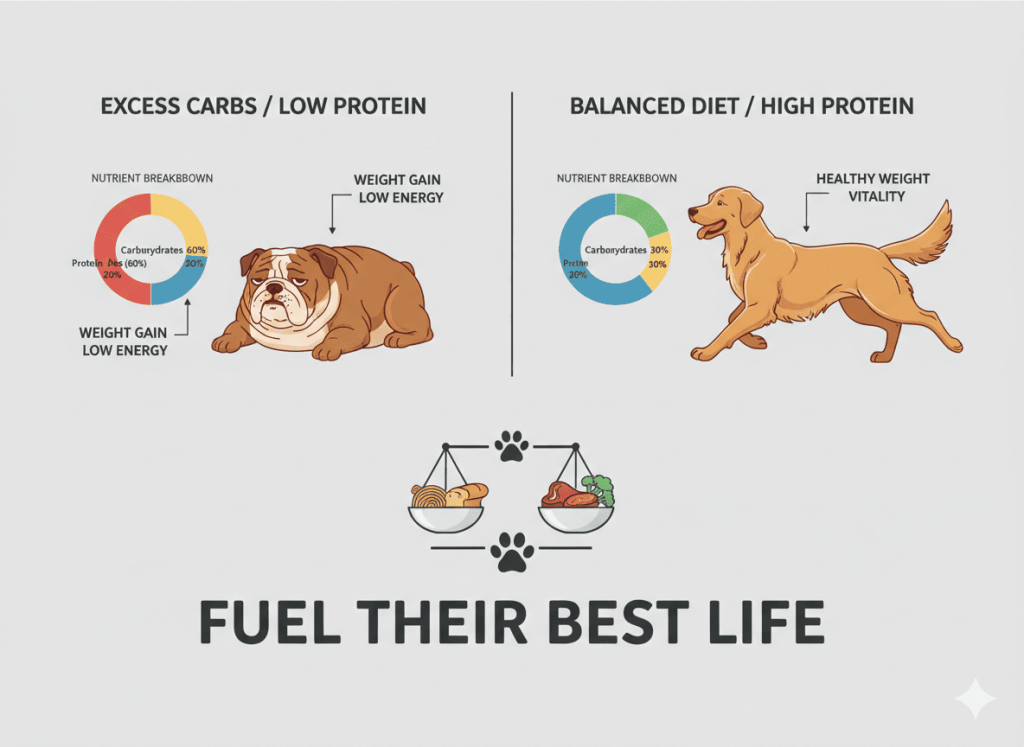
Low-cost pet foods tend to be high in carbs. The quality of protein is usually low in such foods. As a result, pets can become hungry not long after eating.
This leads to overeating. The weight gain becomes a problem over time. Pet obesity is not all about looks. Being overweight raises his/her risk of diabetes, joint problems, and heart disease. Mobility may also decline.
Calories: An animal eating nutrient-poor food may have to eat more calories. Their bodies have to work extra hard to achieve the basics. This puts undue pressure on their physical health.
Digestive Issues and Food Sensitivities
Is your pet vomiting or getting diarrhea? Excessive gas or itchy skin? These are typical symptoms of bad digestion.
These types of problems are usually associated with low-grade pet foods. Inferior fillers and synthetics can upset the digestive system. Both can also cause allergic reactions.
Upgrading to a better quality of food often does the trick. Better digestion is one of the benefits many dog owners notice. Coat texture and general comfort increase as well.
Long-Term Health Costs
Inexpensive pet food might be more affordable in the short term. It’s also not cost-effective in the long run.
Conditions fuck poor nutrition into you all the time. They are also plagued by these conditions, which means regular trips to the vet. They are also expensive, with drugs and special diets that add to the cost.
Higher-quality pet foods play a role in preventing this. It could even save on vet bills in the long run. Nutrient-dense food just happens to come in smaller portions. This can help offset the expense.
Transparency and Quality Failings
Some budget pet food brands may take shortcuts. That includes raw materials and the quality of production. The contaminated medications and products of some brands have led to recalls.
Recalls can hit any company, but quality-focused brands play by tougher rules. They spend more on sourcing and testing.
Clear ingredient lists matter. Transparent practices build trust. They’re peace of mind for pet owners, too.
Choosing Better Food for Your Pets
So, not buying the cheapest pet food does not mean you need to spend on the most expensive. Instead, focus on quality.
Look for pet foods that:
- The first ingredient should be real, named meat
- Do not contain artificial colors, flavors, or preservatives.
- Whole grain is the proper alternative to grain-free
- Clearly identify all protein sources.
- Match your pet to their respective life stage and individual requirements.
Labels and brands can tell you a lot.
Final Thoughts
We are accountable for feeding our pets. Food is central to their health.
It might make practical sense to feed your pet cheap food. However, it carries hidden risks. There may be health consequences to poor protein sources and low-quality ingredients over the long haul.
“It’s not necessarily about price,” said Pets Station. Value, quality, and transparency are not nice things; they are basic rights of consumers. One of the best ways to love your pet is by feeding it well. It also helps you live a longer, healthier life.
Frequently Asked Questions (FAQs)
Not always. But a lot of inexpensive foods use fillers and artificial ingredients. These are the types of food that can suffice in meeting the minimum requirements, but perhaps without long-term nutritional equilibrium.
Beware of unlabeled meat by-products, artificial colors, chemical preservatives such as BHA and BHT, too much corn or wheat (or no grains at all), and ambiguous terms like “animal fat” or “meat meal.”
Yes. Over the long run, it can cause obesity, digestive problems, skin allergies, dull coats, and low energy. It’s also associated with diabetes and joint issues.
Cheap food tends to be full of fillers and carbs. It is low in usable protein. It is this that causes pets to become hungry sooner.
Nope, quality is not in the price. As always, read the labels and protein sources. Many mid-range names provide excellent nutrition.